Why I Waited So Long
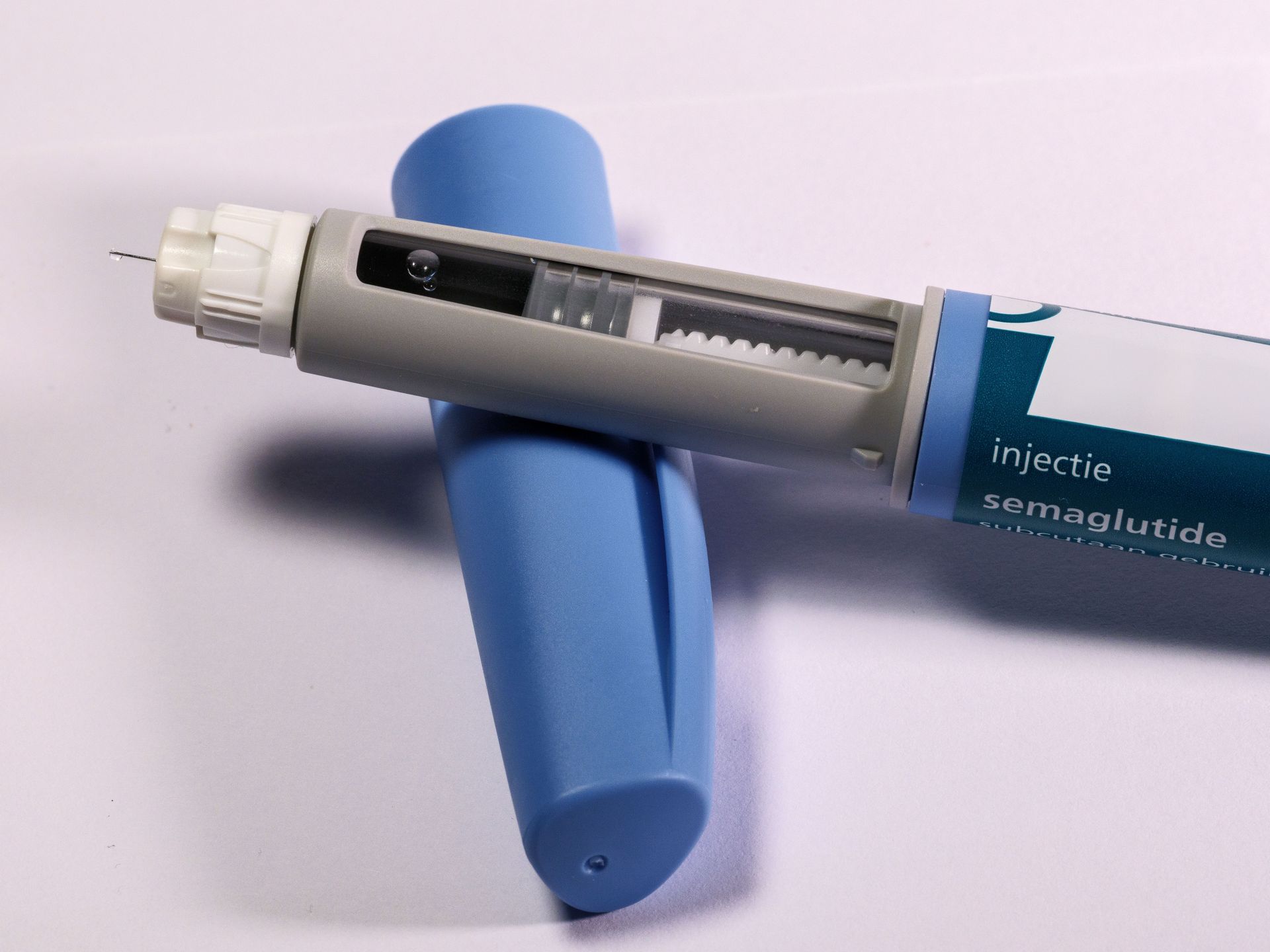
For years, I thought GLP medications were cheating. I thought people just needed to watch what they were eating and put in the hard work. But the older I got, the more I looked into just what a chemical nightmare much of our food is in America, and the harder it became to keep weight off. If these food companies are investing billions of dollars into making food more flavorful, so that I want it more and more, while making it less satiating, why shouldn't I tip the scales back into my favor? As I dug into the research on food noise, I realized it was something I had struggled with my entire life.
Think tailgates, parties, any buffet with dips and snacks laid out. I would eat and eat and eat. Honestly, I still do whenever I go off my medication. I just want to keep grabbing more.
What It Actually Feels Like
After I started tirzepatide, I thought, "oh my gosh, this is what it feels like to not want to eat every bite of food whenever it's presented to me?!" It was not a magic pill, and the desire did not vanish overnight. But it dialed down the urge to keep eating at all times. It became far easier to say no to extra food, and to keep my portions at something actually manageable. I have only taken tirzepatide, so that is all I can speak to personally, but the difference in how I felt day to day was remarkable.
The Honest Part: It May Be Long-Term
For some people this is a lifelong medication. You may lower your dose over time, you may eventually wean off, but that is not the case for everyone. I am coming to terms with the idea that this may be something I take indefinitely. It is also a responsibility. You have to take it, once a week, every week.
Side effects have been minimal for me. The one thing I noticed was in high-intensity workouts. Throughout the day, my resting heart rate stayed low and steady, the same as before I got on the medication. But once I got up around 180 beats per minute, it took longer to come back down than before. It never reached an unsafe zone, but it was noticeable, and I had to be more intentional about pacing the longer more intense metcons. Pacing is what our version of fitness is all about, so I turned a side effect into a skill. If you notice anything like this, mention it to your doctor.
The Cost Question
Depending on your insurance, this can be expensive, and I am frustrated for people whose insurers have decided not to cover it. In my view, the long-term health impact of getting to a manageable weight far outweighs the cost of the medication. You either pay something for the medication, or you pay for all sorts of health treatments over the years. There is going to be a price somewhere. You just have to decide what that price is.
Next Up
In the next post, I will get into the questions members ask me most: will I lose muscle, what happens if I come off, and do I still need the gym? Short answer to that last one: yes.